Unsure about a drug test result? A re-check or confirmation can offer more clarity. You can have a fresh sample tested with an accurate method like GC-MS. Timing matters, because detection windows differ per substance. Below you'll read when a re-check can make sense and how it works.
Can you get a drug test re-checked?
Yes, in many cases you can get a drug test re-checked. A first test is often a screening, which gives a quick impression. If you're in doubt, you can have a fresh sample examined with a confirmation method. That way you check whether the first result is likely correct.
A screening often uses an immunoassay. That method is fast and handy, but it can sometimes give a false positive. A confirmation test looks far more specifically at the substance itself.
A false positive can have several causes. Think of certain medicines, food or a cross-reaction in the test. A confirmation helps you tell these possibilities apart.
In a re-check the lab doesn't grade an old result, but examines a fresh sample. That way you rule out a one-off error more reliably.
A second measurement can bring calm.
Want to understand what a result actually means first? Then read how to read a drug test result and what the lab does.
If you understand the result better, you'll also choose a re-check more deliberately.
When does a re-check make sense?
A re-check can make sense when you suspect a false positive, when a sample is diluted or invalid, or when you doubt a home test. A result that doesn't fit your situation can also be a reason. In those cases a confirmation may give you more certainty.
Not every result needs a re-check. Sometimes a result is clear and fits your situation. Still, a targeted check can be useful when something doesn't add up.
Doubt about a home test is common. A home screening gives a first impression, but no final verdict. A laboratory can review the result with a targeted method.
| Reason for a re-check | What you can do |
|---|---|
| Suspected false positive | Request a GC-MS confirmation test on a fresh sample. |
| Diluted or invalid sample | Hand in a fresh sample under controlled conditions. |
| Doubt about a home screening | Have a laboratory examine the result again. |
| Result doesn't fit your situation | Discuss possible cross-reactions and medication with your doctor. |
A diluted sample sometimes results from drinking a lot just before the test. The lab can recognise that from certain values. In that case a fresh sample under supervision can help.
Some medicines can possibly cause a cross-reaction. On Thuisarts.nl you'll find reliable information about medicines and complaints. Note down what you use, just to be safe.
A screening and a confirmation aren't the same. Read why GC-MS is the standard for confirmation.
How does a re-check or confirmation work?
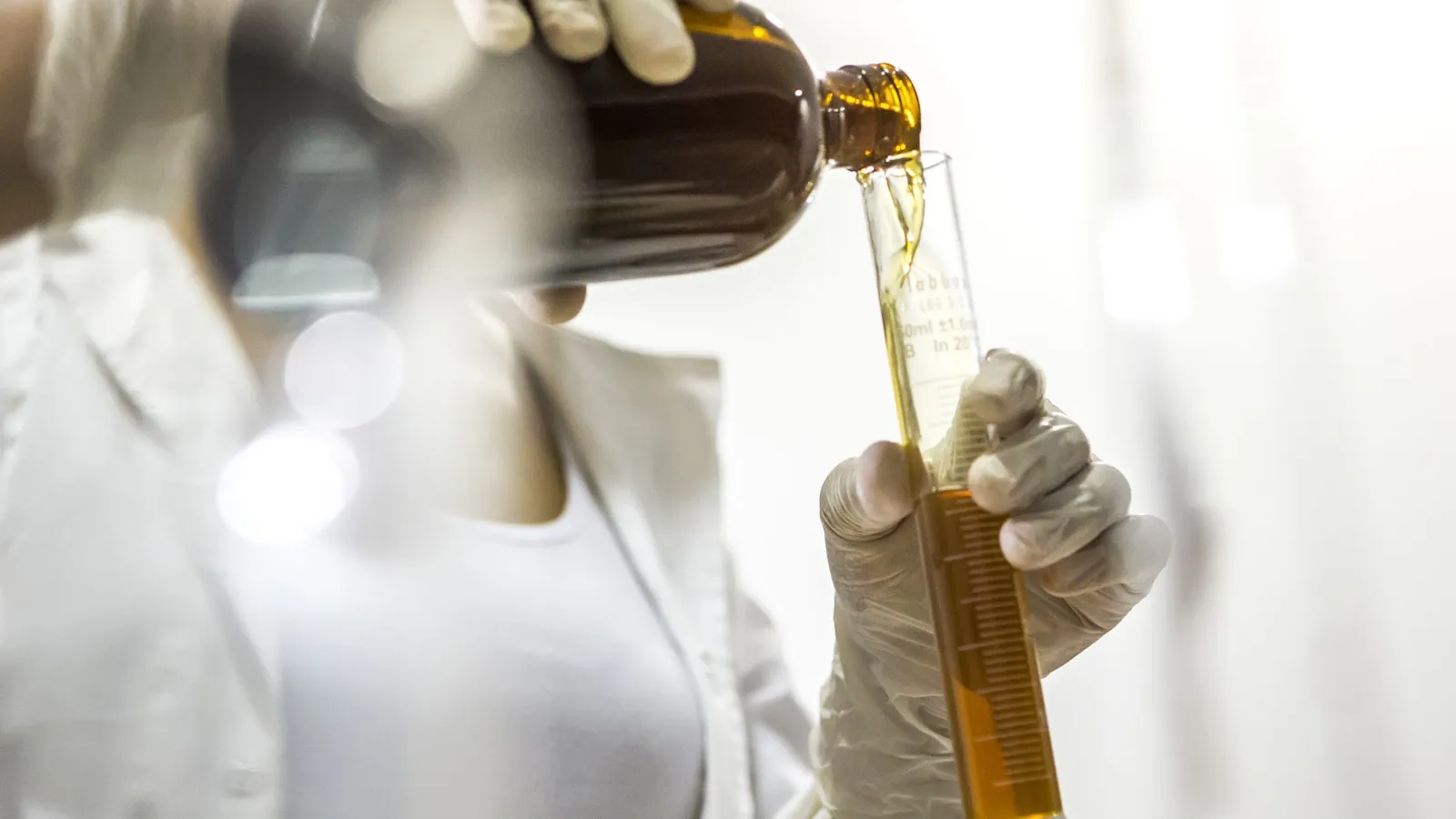
A re-check starts with a fresh sample, often blood or urine. The laboratory examines it with a confirmation method like GC-MS. Timing matters, because every substance has its own detection window. The longer you wait, the lower the concentration in the sample can become.
The steps in order
- You hand in a fresh sample, preferably under supervision.
- The lab runs a confirmation with a specific method.
- A BIG-registered doctor assesses the result.
- You receive a reasoned result you can discuss.
A controlled collection is important. It keeps clear whose sample it is and how it was handled. That's called chain of custody and it strengthens reliability.
Blood and urine don't always give the same picture. Blood often shows more recent use, urine looks back further. Which choice fits depends on your situation and the time elapsed.
Detection windows vary widely. Alcohol often leaves the body within a few hours. Other substances may stay detectable longer. So don't wait too long with a re-check.
Is it an official assessment, for example via the CBR? Then follow that body's procedure. We don't give legal advice and refer you to the relevant organisation.
Was your result positive and you're not sure what's next? See the next steps after a positive drug test.
What can you do yourself?
You can request a fresh, reliable test yourself to gain more clarity. Note which medicines you use, so a doctor can weigh possible cross-reactions. Choose a test with a confirmation method. That way you check your own status in a calm, factual way.
Prepare for your appointment well. Write down when you may have used something and which substances those were. With that information a doctor can interpret your result better.
If you're in doubt, stay calm and gather the facts. A re-check is a normal, practical step. You're allowed to seek clarity about your own situation.
Want to check several substances at once? Have a look at the extended 10-panel blood test.
Want general background on substances and health? The RIVM offers factual information on this topic.
Every test result at Zuivertest includes a professional assessment from a BIG-registered doctor. For treatment decisions, discuss your results with your GP.
Sources
- RIVM, information about substances and health.
- Thuisarts.nl, information about medicines and complaints.
- Farmacotherapeutisch Kompas, information about medicines and cross-reactions.
Autor
Zuivertest
Dr. Naimi, lekarz wpisany do holenderskiego rejestru BIG, nadzoruje standardy medyczne naszych treści i ocen. Przeczytaj naszą politykę medyczną
Powiązane badania
Powiązane artykuły

Cocaine addiction: the crash, the craving and what a test shows
Ketamine addiction: the signs and what a lab sees