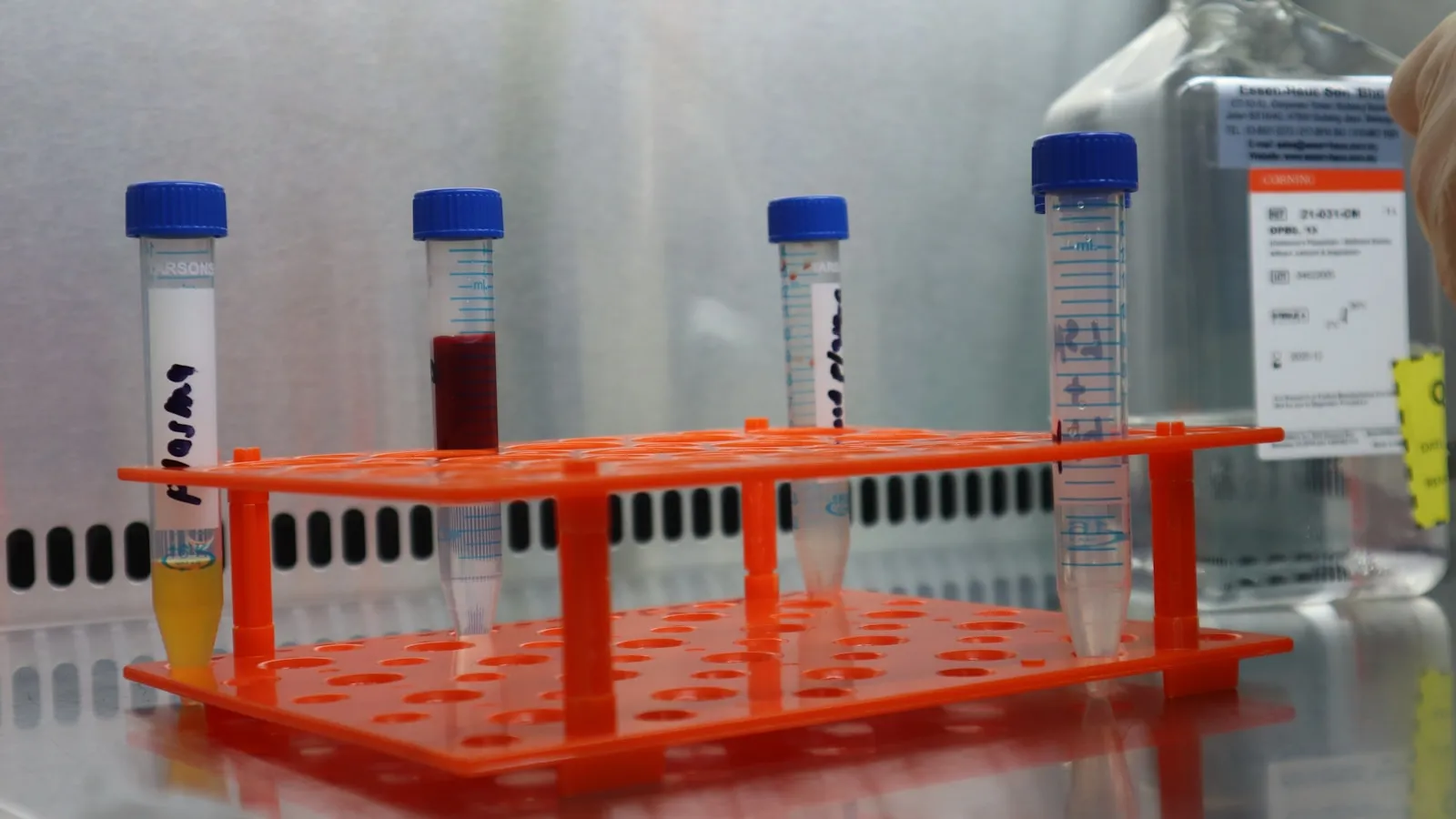
Wilt u alcoholgebruik aantonen, bijvoorbeeld voor een CBR-procedure, een nieuwe baan of uw eigen zekerheid, dan kijkt een lab niet naar een vage streep maar naar specifieke biomarkers. CDT in bloed laat een patroon van chronisch gebruik over ongeveer twee tot drie weken zien. EtG in haar kan tot zo'n drie maanden terugkijken. Welke test bij u past, hangt volledig af van de vraag die u beantwoord wilt hebben, en van het tijdsvenster dat u wilt afdekken.
De meeste mensen die hiernaar zoeken hebben een concrete aanleiding: een vordering van het CBR, een sollicitatie waarbij nuchterheid telt, of de wens om voor uzelf aan te tonen dat u schoon bent. Hieronder leest u wat elke alcoholmarker meet, hoe ver die terugkijkt en wat een afwijkende waarde wel en niet kan bewijzen. Onze stelling vooraf: geen enkele marker is voor elke vraag de juiste, en wie dat negeert, kiest bijna altijd de verkeerde test.
Hoe toont u alcoholgebruik aan met een test?
Alcohol zelf verdwijnt snel uit het lichaam. Het Trimbos-instituut, het Nederlandse kenniscentrum voor middelengebruik, beschrijft een gemiddelde afbraak van ongeveer een standaardglas per uur. Daardoor is alcohol als molecuul in bloed meestal nog maar enkele uren tot ongeveer een dag meetbaar. Wilt u een patroon over een langere periode aantonen, dan kijkt een lab niet naar alcohol zelf, maar naar de sporen die langdurig gebruik achterlaat.
Dat aantonen kan op drie manieren, afhankelijk van het tijdsvenster. CDT in bloed wijst op structureel hoog gebruik in de voorbije twee tot drie weken. EtG in haar legt gebruik over een langere periode vast, ongeveer een maand per centimeter haar. PEth in bloed zit daar qua venster tussenin. Een teststrip thuis geeft alleen een ja/nee-signaal en is hiervoor ongeschikt: een lab kwantificeert per marker een exacte waarde met een referentiebereik, en juist dat onderscheid kan bij een grensgeval het verschil maken tussen twijfel en een resultaat dat u kunt onderbouwen.
Wat is een CDT-test en hoe ver kijkt die terug?
CDT staat voor carbohydrate-deficient transferrine, een vorm van het ijzertransporteiwit transferrine die toeneemt bij langdurig hoog alcoholgebruik. De meest gebruikte uitslag is een percentage (%CDT), met voor mannen en vrouwen doorgaans dezelfde referentiewaarde van onder de 2,8%. De halfwaardetijd van CDT ligt rond de 14 tot 17 dagen, waardoor een verhoogde waarde bij volledige onthouding meestal binnen twee tot drie weken weer richting normaal daalt.
CDT is daarmee vooral een marker voor een patroon, niet voor een enkel glas. Wilt u één marker gericht laten bepalen, dan kan een CDT-test voor alcohol die waarde voor u kwantificeren. Waarom een waarde verhoogd kan zijn zonder zwaar drinken, leest u in ons artikel over een te hoge CDT-waarde en de oorzaken daarvan.
Wat is het verschil tussen CDT, EtG, PEth en een bloedalcoholmeting?
Dit is de kern van de vraag, en het wordt online vaak door elkaar gehaald. CDT is een indirecte markeren bloed, EtG is een direct afbraakproduct dat in urine of haar wordt gemeten, PEth is een directe marker in bloed, en een bloedalcoholmeting (vergelijkbaar met een blaastest) laat alleen het allerlaatste gebruik zien. De onderstaande tabel zet naast elkaar wat elke methode meet, hoe ver die terugkijkt, en wat een verhoogde waarde wel en niet kan bewijzen.
| Methode | Matrix | Terugkijkvenster | Wat het kan aantonen | Wat het niet bewijst |
|---|---|---|---|---|
| Bloedalcohol (BAC) | Bloed of adem | Enkele uren tot ± 1 dag | Zeer recent gebruik op dat moment | Niets over de weken ervoor |
| EtG (urine) | Urine | ± 1 tot 3 dagen | Recent gebruik, ook na afbraak van de alcohol zelf | Een patroon over weken |
| CDT (%CDT) | Bloed | ± 2 tot 3 weken | Patroon van chronisch hoog gebruik | Een enkel glas of een eenmalige avond |
| PEth | Bloed | ± 2 tot 4 weken | Recenter patroon, gevoelig voor matig gebruik | Het exacte aantal glazen |
| EtG (haar) | Haar | ± 1 maand per cm, tot ± 3 maanden | Gebruik of onthouding over een lange periode | Wanneer binnen die maanden gedronken is |
Wat hieruit volgt: een blaastest of bloedalcoholmeting zegt niets over de afgelopen maand, terwijl een haartest u niet vertelt wanneer binnen die maanden gedronken is. Voor een lange terugblik kan haaranalyse passender zijn, voor een patroon van de afgelopen weken wordt CDT vaak gebruikt, en voor heel recent gebruik is EtG in urine geschikter. Hoe lang elke vorm precies aantoonbaar blijft, werken we uit in hoe lang is alcohol aantoonbaar in bloed, urine en haar.
Welke bloedwaarden gebruikt het CBR voor alcohol?
Bij een onderzoek naar de rijgeschiktheid kijkt het CBR niet naar één getal, maar naar een combinatie van bloedwaarden. Een veelgebruikte set is gamma-GT, CDT en MCV. Staan die alle drie verhoogd, dan wijst dat op een patroon van chronisch overmatig gebruik; één afwijkende waarde alleen zegt minder.
- Gamma-GT (GGT): een leverenzym, referentie ongeveer 10 tot 40 bij mannen en 6 tot 25 bij vrouwen. Kan ook stijgen door lever- of galaandoeningen en sommige medicijnen.
- CDT (%CDT): referentie onder 2,8%. De meest specifieke van de drie voor alcohol, met een terugkijkvenster van twee tot drie weken.
- ASAT/ALAT: leverenzymen die belasting kunnen aangeven; sterk verhoogde waarden wijzen op grotere druk op de lever.
- MCV: de gemiddelde grootte van rode bloedcellen, die na langdurig zwaar gebruik verhoogd kan zijn.
Het CBR weegt deze waarden samen met een gesprek en de aanleiding van de vordering. De uitslag van een losse test bepaalt dus niet in zijn eentje de uitkomst van een procedure. Wat een afzonderlijke test wél doet, is u vooraf inzicht geven in waar u staat. Hoe deze keuring precies verloopt, leest u in CDT-waarde en rijbewijs: wat het CBR-onderzoek inhoudt.
Hoe ver kijkt een EtG-haartest terug?
EtG (ethylglucuronide) is een direct afbraakproduct van alcohol dat zich in de haarschacht afzet. Omdat hoofdhaar gemiddeld ongeveer één centimeter per maand groeit, kan een haaranalyse een tijdlijn opbouwen: een streng van drie centimeter dekt grofweg de afgelopen drie maanden. Daarmee is de haartest de marker met het langste venster, en de enige die maanden onthouding aannemelijk kan maken.
De keerzijde is dat EtG in haar u niet vertelt op welke dag of in welke week binnen die periode gedronken is. Het geeft een gemiddelde over de hele lengte. Houd er bovendien rekening mee dat intensief wassen, bleken of verven de gemeten EtG kan verlagen, en dat haarkleur en haarverzorging de uitslag beïnvloeden. Wat de gangbare drempelwaarden zijn en hoe haarlengte zich vertaalt naar een terugkijkperiode, werken we uit in de EtG-haartest: hoe ver kijkt een haaranalyse terug.
Kan een waarde verhoogd zijn zonder veel te drinken?
Ja, dat kan. Een verhoogde %CDT hangt meestal samen met structureel alcoholgebruik, maar niet altijd. Zeldzame aangeboren afwijkingen in de suikerketens van eiwitten (CDG-varianten), ernstige leveraandoeningen en een recente bloedtransfusie kunnen de waarde beïnvloeden zonder dat er sprake is van zwaar drinken. Daarom kijkt een betrouwbaar lab nooit naar CDT alleen, maar altijd naar het geheel.
Een gekwantificeerde labwaarde met referentiebereik geeft hier meer houvast dan een thuisstrip, omdat de uitslag in context te plaatsen is. Wat een afwijkende waarde voor u persoonlijk betekent, bespreekt u het beste met een arts. De oorzaken van een afwijkende CDT zetten we volledig op een rij in CDT te hoog: oorzaken van een afwijkende waarde.
Waarom een lab betrouwbaarder is dan een thuisstrip
Online worden alcoholteststrips voor thuis aangeboden, en de verleiding is begrijpelijk: snel, goedkoop, geen afspraak. Het probleem is wat zo'n strip meet. Een teststrip geeft een ja/nee-signaal op alcohol in speeksel of urine op dat moment, vergelijkbaar met een blaastest. Dat zegt iets over de afgelopen uren, maar niets over een patroon over weken of maanden, en juist dat laatste is meestal de vraag.
Een lab daarentegen kwantificeert een marker als CDT of EtG tot op een getal, met een referentiebereik en een professionele duiding. Het verschil zit niet alleen in nauwkeurigheid, maar in bewijskracht: een gekwantificeerde waarde binnen het referentiebereik onderbouwt een patroon, terwijl een streepje op een strip dat niet doet. Onze stelling: voor elke vraag die verder gaat dan "heb ik nu alcohol op", is een laboratoriummeting de enige serieuze optie.
Bij een grensgeval telt dat onderscheid dubbel. Een lab kan een herhaalde meting na enkele weken naast de eerste leggen en zo een lijn over de tijd laten zien. Een thuisstrip levert alleen losse momentopnames zonder onderlinge vergelijkbaarheid.
Hoe verloopt een alcoholtest bij Zuivertest?
Het proces is opgezet rond privacy en regie. U bestelt online de marker of het panel dat bij uw vraag past. Wij regelen de labverwijzing, waarna u bij een aangesloten lab in de buurt bloed laat afnemen. Er wordt niets naar u opgestuurd en er komt niemand bij u thuis: het is een dienst, geen pakket. De uitslag verschijnt in uw eigen beveiligde account, voorzien van een beoordeling door een BIG-geregistreerde arts.
Wie de uitslag ziet, bepaalt u zelf. Een via Zuivertest bestelde test staat niet automatisch open voor een werkgever of het CBR; alleen u beslist of u het resultaat deelt. Dat maakt de test bruikbaar als voorbereiding op een procedure, of puur voor uw eigen zekerheid, zonder dat de uitkomst buiten uw zicht belandt.
Welke test past bij uw vraag?
De keuze hangt af van de periode die u wilt afdekken, niet van welke test het bekendst klinkt:
- Heel recent gebruik (uren tot dagen): een bloedalcoholmeting of EtG in urine.
- Een patroon over de afgelopen weken: CDT in bloed, eventueel aangevuld met gamma-GT en MCV.
- Een lange terugblik of het aantonen van onthouding (maanden): een EtG-haartest.
Twijfelt u tussen twee opties, ga dan uit van het langste venster dat u zeker wilt afdekken. Voor een CBR-traject is bijvoorbeeld vaak een patroon over weken relevant, terwijl iemand die maanden onthouding wil onderbouwen beter naar haar kijkt. Een combinatie kan ook: een CDT-meting nu en een herhaling over enkele weken laat een lijn zien in plaats van één los getal.
Bij Zuivertest kiest u zelf welke marker u laat bepalen, ziet alleen u de uitslag en wordt elk resultaat voorzien van een beoordeling door een BIG-geregistreerde arts. U kunt de waarde van de CDT-marker los laten meten of als onderdeel van een breder panel. De WHO benadrukt dat alcoholgebruik op bevolkingsniveau een belangrijke gezondheidsfactor is; een individuele testuitslag blijft echter een momentopname die u het beste samen met een arts duidt.
Veelgestelde vragen
Hoe lang blijft alcohol aantoonbaar in bloed?
Alcohol zelf is in bloed meestal nog enkele uren tot ongeveer een dag meetbaar. Markers van een gebruikspatroon, zoals CDT, kijken verder terug: ongeveer twee tot drie weken.
Meet een CDT-test of ik gisteren heb gedronken?
Nee. CDT reageert op structureel hoog gebruik over weken, niet op een enkele avond. Voor heel recent gebruik zijn andere markers, zoals EtG in urine, geschikter.
Heb ik een verwijzing nodig voor een alcoholtest?
Bij Zuivertest niet. U bestelt online, wij regelen de labverwijzing en u laat bij een lab in de buurt bloed afnemen.
Ziet mijn werkgever of het CBR mijn uitslag?
Nee. Een via Zuivertest bestelde test staat achter uw eigen beveiligde account. Alleen u beslist of u de uitslag deelt.
Verder lezen: 6 maanden geen alcohol: wat er verandert en wat uw bloed dan laat zien.
Elk bloedtestresultaat bij Zuivertest bevat een professionele beoordeling door een BIG-geregistreerde arts. Een test kan duidelijkheid geven, maar vervangt geen medisch advies. Bespreek voor behandelbeslissingen uw resultaten met uw huisarts.
Verder lezen
- Hoe betrouwbaar een blaastest werkelijk is
- De grenzen die het RIVM aanhoudt
- Waarom u rood aanloopt van één glas
- Wat alcohol met uw herstel en bloedwaarden doet
Bronnen
- Trimbos-instituut, Nationale Drug Monitor, alcohol en middelengebruik in Nederland (trimbos.nl)
- RIVM, informatie over alcohol en gezondheid (rivm.nl)
- World Health Organization (WHO), alcohol and health (who.int)
- CBR, onderzoek naar de rijgeschiktheid (cbr.nl)
Auteur
Zuivertest
Dr. Naimi, BIG-geregistreerde arts, ziet toe op de medische standaarden achter onze content en beoordelingen. Lees ons medisch beleid