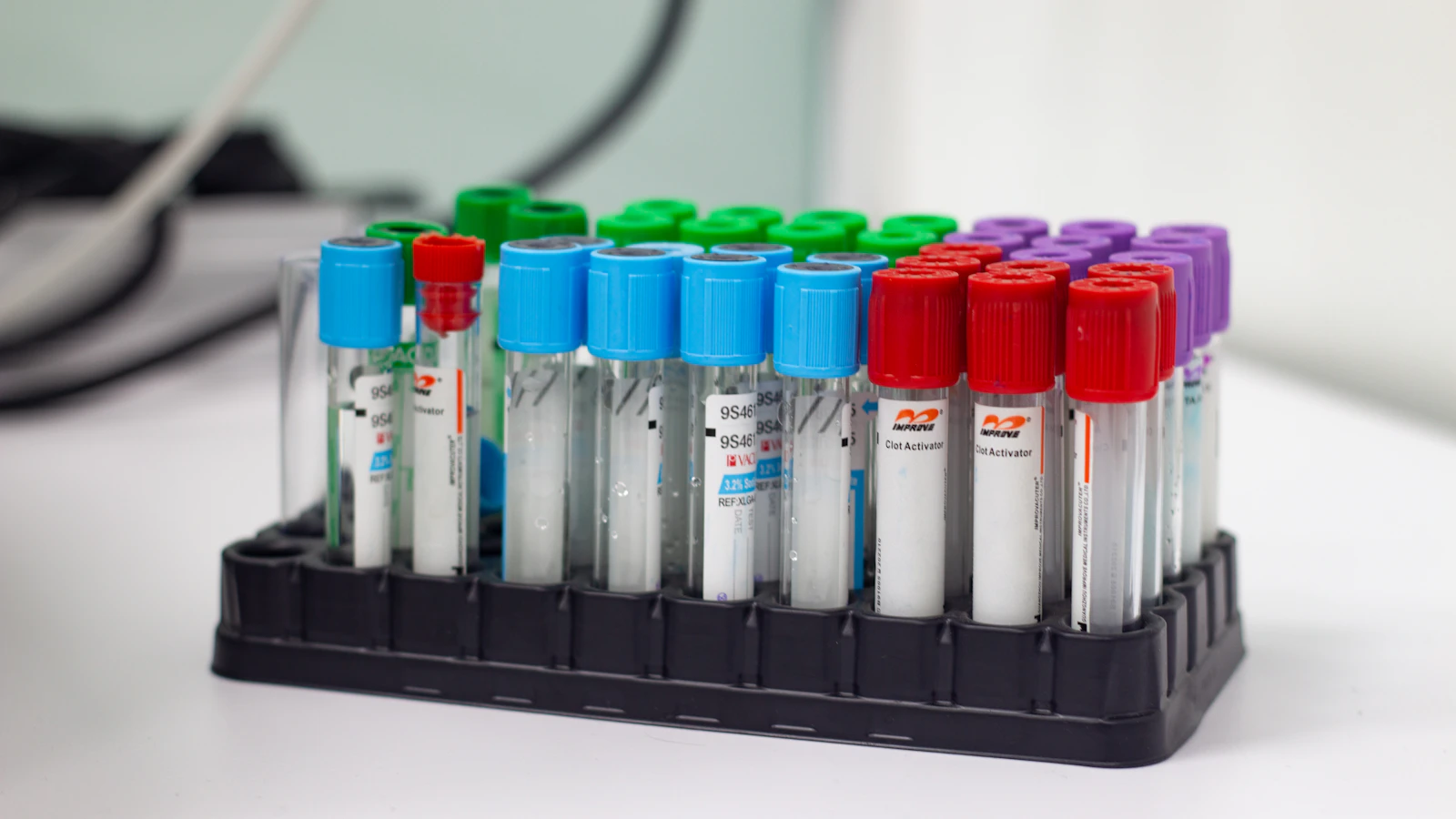
Phenibut may stay detectable for roughly up to a few days in urine after use. The window probably depends on dose and frequency. In blood the period is likely shorter. Phenibut isn't part of standard drug panels and needs a targeted test.
What is phenibut?
Phenibut is a substance that may act on the GABA-B receptor in the brain. Some people use it as a supplement or as a sleep or anxiety aid. It isn't a registered medicine in the Netherlands. Its effects and risks can differ from person to person.
Phenibut was originally developed in Eastern Europe, possibly for calming purposes. In many countries it has no status as a regular medicine. In the Netherlands it isn't registered as a medicine. Its legal status can vary by country.
Phenibut is sometimes sold online as a powder or capsule. The strength of these products is often unclear. That can make the actual dose hard to estimate.
Some people want to map their own use or check whether a substance is still measurable. A test may give some clarity here. We don't give medical advice about this.
A test can also help you check a suspicion more calmly. Whether you're tracking your own use or checking a product, a result may offer some grip. You'll only get certainty about the result after lab analysis.
With regular use, tolerance and withdrawal symptoms can occur. Some sources describe this for GABA-active substances. You can find general information at Thuisarts.nl and RIVM.
Phenibut therefore behaves differently from a classic drug in a test.
How long is phenibut detectable?
Phenibut may stay detectable for roughly up to a few days in urine, depending on the dose and how often someone uses it. In blood the window is likely shorter, often within about a day. These estimates are approximate, because targeted research into phenibut is limited.
The table below gives rough, approximate windows by sample type. The actual duration can differ per person.
| Sample type | Possible detection window (approximate) |
|---|---|
| Urine | Roughly up to a few days after use |
| Blood | Likely shorter, often within about a day |
| Saliva | Possibly a few hours to about a day, data limited |
| Hair | Possibly longer, but data on phenibut is very limited |
The difference between urine and blood may come from the body clearing the substance gradually. In urine, traces can probably stay visible a bit longer. In blood the concentration likely drops faster.
Exactly how long phenibut stays measurable varies between studies. Reliable, large-scale data is limited. So all windows in this article remain approximate.
Use these numbers only as a rough indication.
Phenibut acts on a system similar to some other calming substances. If you'd like to know more about related windows, also read how long GHB stays detectable and how long benzodiazepines stay detectable.
You'll find a general overview in our article on how long drugs stay detectable.
What affects the detection window?
Phenibut's detection window may depend on several factors. Dose, how often it's used, and the time since the last use probably play a role. Personal traits, such as metabolism and kidney function, can have an effect too. The chosen sample type and the test's sensitivity also count.
Dose and frequency
A higher dose may extend the window. Regular use can make the substance measurable for longer. With single use, the window is often shorter.
Other factors can play a part too. Drinking enough, body weight, and age may affect how it's broken down. Using other substances at the same time can also change the picture.
Body and test method
The speed at which the body processes phenibut differs per person. A more sensitive, targeted test may detect the substance for longer. Standard drug panels usually don't recognise phenibut.
So a regular urine test can give a negative result, even when phenibut was used.
How can you test for phenibut?
Testing for phenibut needs a targeted approach, because it isn't part of routine drug panels. At Zuivertest you can put together a custom panel and have specific substances measured. That way you can explore which test fits your question. A laboratory carries out the analysis.
For a test, you usually first state which substance you want measured. Then you provide the right sample type, such as blood or urine. The laboratory then analyses the sample. You'll receive the result later, with an assessment.
Testing for phenibut needs a targeted method, so it's worth checking what's available. You can explore our lab-certified drug panels to see the options before you decide.
A targeted test is therefore the most logical choice for a question about phenibut.
It can be sensible to decide beforehand which sample type and timing fit your situation. If you're unsure, you can discuss this with a healthcare provider.
Sources
- RIVM, general information about drugs and health.
- Thuisarts.nl, information about sleep, anxiety, and substance use.
- Farmacotherapeutisch Kompas, information about GABA-active substances.
Every test result at Zuivertest includes a professional assessment from a BIG-registered doctor. For treatment decisions, discuss your results with your GP.
الكاتب
Zuivertest
فحوصات ذات صلة
مقالات ذات صلة
7 misconceptions about drug tests (and what is actually true)

3-MMC: effects, duration and the comedown that follows