You can't reliably flush drugs out of your system faster. Your liver and kidneys set the pace, and that pace is mostly fixed. At Zuivertest we'll say it plainly: detox tricks sell hope, not results. The only way to truly know where you stand is a real lab test.
A whole market has grown around the word "detox". Drinks, pills, sweat routines and vitamin tricks promise a clean result. Most of those claims lack reliable evidence.
This article calmly explains what detox can and can't do. No evasion tricks, just honest information about your own body.
If you know your status, you don't have to guess.
Can you get drugs out of your system faster?
Not in any reliable way. Your body clears substances at a pace set by the liver, the kidneys and the substance itself. A drink or a sweat session doesn't meaningfully change that speed. Time and your own metabolism do the work, not a product off a shelf.
The idea of "flushing out" sounds logical, but that's not how it works. Many substances are fat-soluble and don't sit loose in your blood. They're converted step by step and then excreted.
That conversion runs on its own clock. For some substances it's hours, for others it's days. You can read exactly how long in our overview of how long drugs stay detectable.
Detox products claim to speed that clock up. There's no convincing evidence for it.
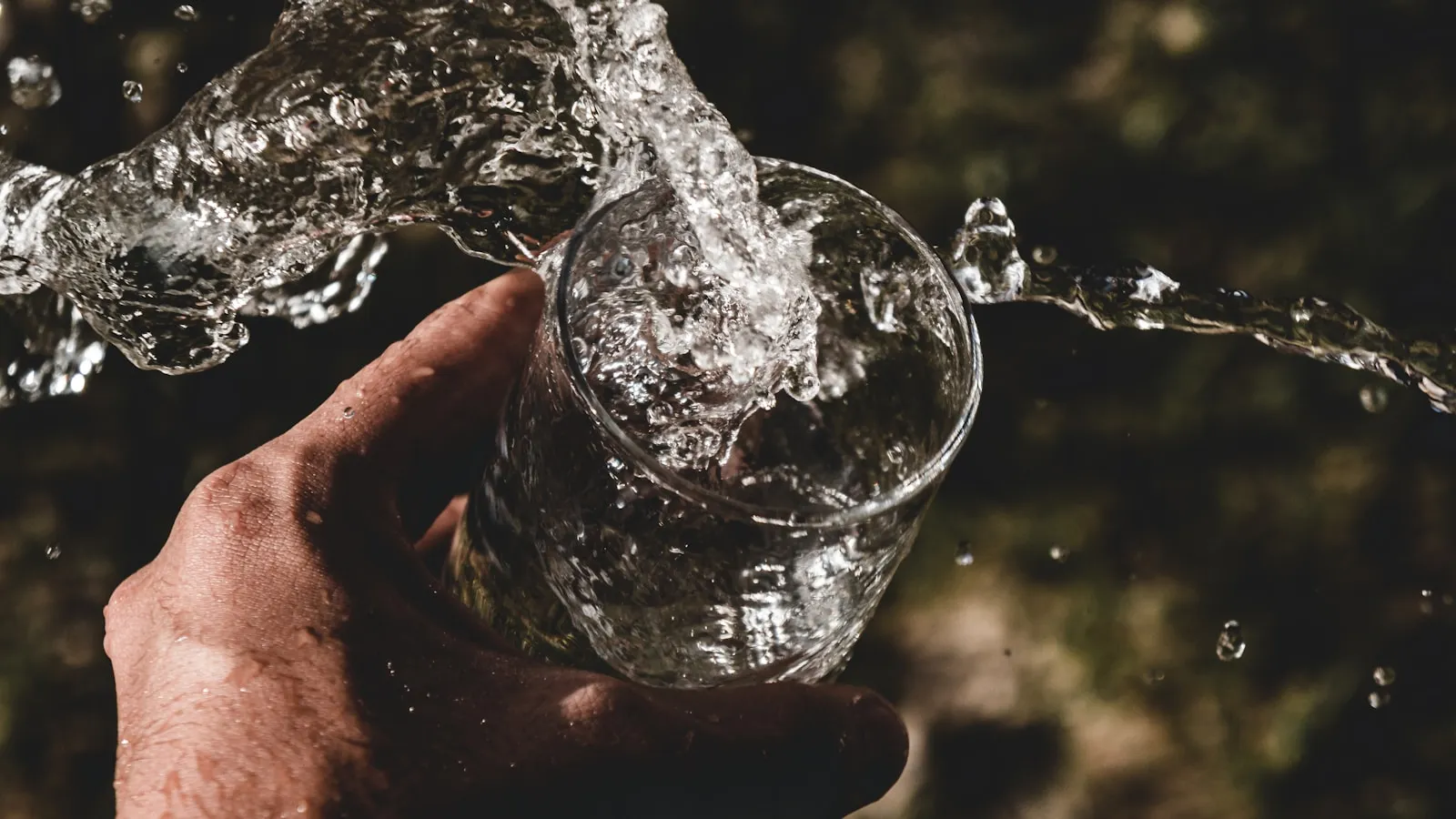
Does drinking lots of water help?
Water dilutes your urine briefly, but it doesn't remove extra drugs. You pass more fluid, not more breakdown products overall. The effect fades the moment your body restores its water balance. A lab also spots diluted urine right away, so you won't get reliably "cleaner" this way.
Drinking a lot can even backfire. Very dilute urine stands out and is often flagged as unusable. A retest or a note is the likely result.
Overdrinking isn't risk-free either. Too much water in a short time can lower the sodium level in your blood. According to Thuisarts.nl, healthy fluid intake is about moderation, not forcing it.
We dig into this at does drinking water help for a drug test.
Do detox drinks and kits work?
For a reliable result, no. Detox drinks and kits are mostly fluid, herbs, sugars and vitamins. Their main effect is making you urinate more. There's no strong evidence that they speed up clearance or lower the amount of substance in your body.
Most products lean on the same mechanism as water: dilution. Some add creatine or B vitamins to mask that dilution. A modern lab watches for exactly those signals.
What's usually inside a kit?
Often diuretic herbs, a big dose of vitamin B and simple sugars. The sugars and vitamins restore the urine's color and some values. That changes nothing about what's actually in your system.
The claims are big, the support is small. Independent, well-designed studies backing these products are scarce.
You'll find an honest look at these kits at do detox drinks and kits work.
How does your body break substances down?
Mostly through the liver and the kidneys. The liver uses enzymes to turn substances into products the body can shed more easily. The kidneys filter those products from the blood into urine. This runs at its own fairly fixed pace, which you can't simply rev up.
A useful concept is half-life. That's the time it takes for half of a substance to break down. The Farmacotherapeutisch Kompas lists these values per substance, because doctors calculate with them.
Why does it differ by substance and person?
Each substance has its own pathway and its own half-life. Your age, weight, liver function and genetics also play a part. So the same dose can behave differently in two people.
Fat-soluble substances linger longer. They store in fat tissue and release slowly. That's why some substances stay detectable for days.
We describe the full route, from intake to excretion, at how your body breaks down drugs and alcohol.
Do exercise and sweating speed up clearance?
Barely. You excrete only a tiny amount of substance through sweat. Clearance happens in the liver and kidneys, not in your sweat glands. Exercising just before a test can even briefly raise fat-soluble substances in your blood, because fat tissue gets tapped.
Movement is healthy, no question there. But as a detox trick it's unsuitable. What you sweat out is dwarfed by what the liver processes.
Losing weight right before a test can backfire too. Burning fat may release stored substances into the blood. The body then has to break them down again.
There's more on exertion, sweating and weight loss at does exercise and sweating speed up drug clearance.
Why does the lab see diluted urine?
Because a lab checks more than the substance; it checks the sample's quality. Two values reveal dilution: the creatinine level and the specific gravity. If those are too low, the sample counts as diluted. The result is then often declared invalid or collected again.
Creatinine is a waste product your body makes fairly constantly. Lots of water lowers its concentration in urine. A low level is therefore a red flag.
Specific gravity measures how "full" the urine is with dissolved substances. Strong dilution lowers this value too. Both checks are standard in a serious test.
You'll find why dilution almost always shows up at why the lab spots diluted urine.
What about niacin and vitamin tricks?
Niacin (vitamin B3) gets named as a detox trick, but it doesn't work and can be risky. There's no evidence that high doses clear substances faster. Large amounts can cause complaints, such as flushed skin, itching, nausea and, rarely, liver problems.
The reasoning behind the trick is a myth. Niacin supposedly "burns" fat and clears stored substances. Metabolism doesn't work that way.
High doses of vitamins aren't automatically harmless. If you're unsure about a supplement or dose, your GP or pharmacist is the right place to ask.
The myths next to what really happens
The table below puts the best-known claims beside reality. The pattern is the same each time: the trick changes your urine at most, not your clearance.
| Claim | What really happens | Basis |
|---|---|---|
| Drinking lots of water flushes drugs out | Urine is briefly diluted; the amount of substance doesn't change | Lab measures creatinine and specific gravity; dilution shows up |
| A detox drink cleanses my system | Mostly more urination plus sugars and vitamins that restore color | No strong independent evidence for faster clearance |
| Exercise and sweating speed clearance | Minimal excretion via sweat; clearance stays in liver and kidneys | Metabolism runs on half-life, not on sweat glands |
| Diluting urine makes me clean | Lower creatinine and specific gravity make the sample suspect | A diluted sample is often invalid or recollected |
| Niacin or vitamins detox me | No proven effect; high doses can cause complaints | Farmacotherapeutisch Kompas and RIVM note overdose risks |
Why do detox products sell so well then?
Because they tap into stress and time pressure. Someone facing a test wants to be able to do something, and a product feels like a grip on the situation. The packaging promises control, even though little changes in the body. That sells, but it solves nothing.
The marketing often leans on anecdotes, not research. A story of someone who "passed" says nothing about cause and effect.
We think honest information serves you better than a false sense of certainty. So here we choose explanation over promises.
So what does work?
Two things: time and honesty. Your body does the real work at its own pace, mainly through the liver and kidneys. And if you want certainty about your own status, a real lab test gives a measurable answer. Not a guess or a trick, but a value you can build on.
For alcohol there's even a marker that looks back further. CDT is a blood value that can point to prolonged, heavy alcohol use. A snapshot you "flush" with water doesn't apply here.
Measuring your own status more than once also shows a line over time instead of a single number. That offers more to hold on to than a one-off gamble on test day.
A lab test you keep in your own hands
Zuivertest is a certified self-testing brand for substances and alcohol. You take the test on your own schedule, and only you see the result. No employer or third party reads along, unless you choose to share it.
If you want a broad picture, look at our extended 10-panel. That panel tests several substances at once and gives a quantified result.
Keep in mind: not every substance sits in every panel. For your own question, pick the panel that matches what you want to know.
Frequently asked questions
Can I "clean up" right before a test?
Not reliably. Last-minute tricks dilute your urine at most, and that shows up at the lab. Clearance in the liver and kidneys can't be sped up by a drink.
Does lots of water help on the day itself?
It briefly lowers the concentration in your urine, nothing more. A low creatinine level actually makes the sample suspect. The effect fades once your fluid balance recovers.
Do you test for cannabis or MDMA?
We only discuss those substances here for education. For your own test, pick a panel that matches what you want to know, like the extended panel above.
How long does a substance stay detectable?
That varies a lot by substance and by person. You'll find a full overview in our pillar on how long drugs stay detectable.
Is a single measurement enough?
For a snapshot, yes, but it stays a snapshot. If you want to see a pattern, you can measure at different moments. When in doubt, discuss your situation with your GP.
Does coffee or an energy drink help?
No. Caffeine makes you more alert and makes you urinate a bit more, but it doesn't speed up breakdown in the liver. Like water, it changes how diluted your urine is at most, not what's really in your body.
Our honest conclusion
We don't believe in detox tricks, and you deserve an honest answer. Your liver and kidneys set the pace, and that pace ignores a sales pitch. Water, drinks, sweat and vitamins mainly change your urine, not your clearance.
Want certainty about your own status? Then take a real test on your own schedule, calmly and privately. That's the clear next step, not the next miracle product.
Sources
- RIVM, information on alcohol, drugs and health risks.
- Thuisarts.nl, information on healthy drinking and fluid intake.
- Farmacotherapeutisch Kompas, pharmacokinetics and half-lives per substance.
- RIVM, risks of excessive intake of vitamins and supplements.
Every test result at Zuivertest includes a professional assessment from a BIG-registered doctor. For treatment decisions, discuss your results with your GP.
Author
Zuivertest
Related Tests
Related Posts
7 misconceptions about drug tests (and what is actually true)
3-MMC: effects, duration and the comedown that follows