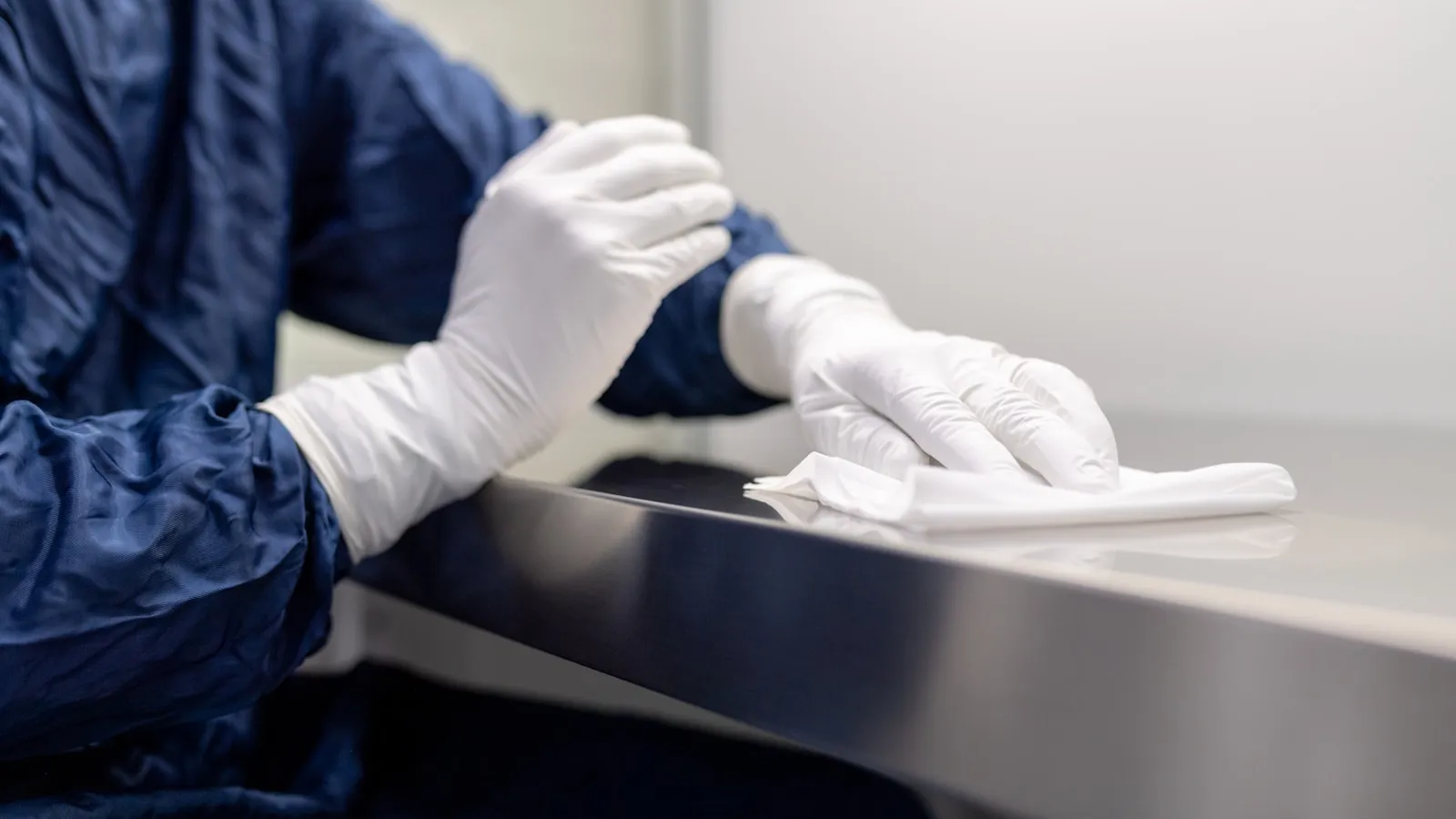
A diluted urine sample almost always stands out at the lab. Laboratories check every sample for validity using creatinine, specific gravity, pH and temperature. If a value is off, the sample may be flagged, rejected or requested again.
This article explains why that works, from the lab's integrity side. It isn't a guide to beating a test. Because labs control for this, an honest self-test gives you a cleaner picture of your own status.
What is a diluted urine sample?
A diluted urine sample holds more water and fewer body-made substances than a normal one. That can happen from drinking a lot before the test, and sometimes on purpose. The lab spots dilution through low creatinine and low specific gravity. Such a sample may not be usable for a reliable assessment.
Dilution doesn't change what was once in your body. It mainly lowers the concentration of substances in that one sample. So a result can dip below a cut-off value for a while.
The lab doesn't only look at the substance itself. It first decides whether the sample is valid. A watery sample tells the lab the reading might be unreliable.
Want to know how that threshold works? Read what a drug test cut-off value is.
How does the lab check for dilution?
The lab runs a validity check on every sample. It measures creatinine, specific gravity, pH, and under supervision also temperature. Together these values show whether it's truly fresh, undiluted urine. If they fall outside the expected range, the lab can flag or reject the sample.
Creatinine is a key measure here. It's a waste product from the muscles that's normally present in a fairly stable concentration. A low value may fit a watery sample.
Specific gravity shows how concentrated the urine is. Low specific gravity together with low creatinine often points to dilution. The pH and temperature help reveal additions or a substituted sample.
What the lab measures in a validity check
| Validity check | What the lab measures | What a deviation may mean |
|---|---|---|
| Creatinine | Muscle waste product, normally in a stable concentration | A low value may point to a watery sample |
| Specific gravity | How concentrated the urine is | Low specific gravity fits dilution |
| pH | The acidity of the sample | A value outside the range can suggest an addition |
| Temperature | The temperature right after collection | An off temperature can suggest a substituted sample |
These checks are separate from the drug substance itself. They only judge whether the sample is valid. You'll find background on urine testing and reference values at sources like the Farmacotherapeutisch Kompas and RIVM.
Drinking a lot of water mainly lowers creatinine and specific gravity. That pattern is exactly what the validity check picks up. There's more on this in does drinking water help a drug test.
What happens with an abnormal sample?
An abnormal sample usually doesn't lead to a direct conclusion about drug use. The lab marks the result as possibly diluted or invalid. Depending on the situation, a new collection can be requested, sometimes under supervision. The result is then reviewed again with the validity values included.
So a diluted sample doesn't solve the underlying goal. It can instead bring extra attention and a repeat. For an official test, that often means delay.
Some bodies treat a deliberately diluted sample as a refused test. The exact rules vary by situation and requester. The lab supplies the measured values; the assessment sits with the requester.
The point is simple. Because labs check for dilution, tampering rarely offers a predictable advantage.
What's a more honest alternative?
A more honest alternative is a test you hold yourself, without pressure or supervision. You then know your own status, measured under calm conditions. A self-test checks the same substances as an official lab, including validity. So you get a result you can trust.
At Zuivertest you can choose an extended 10-panel test. It measures several substance groups in a laboratory with the same validity checks. You order it calmly and collect the sample by the instructions.
Want to understand first how substances leave the body? Read our guide flushing drugs out of your system: what detox does and doesn't do. Unsure about home strips versus a lab? Compare them in home drug test versus lab test.
Your own test takes the gamble away. You don't leave anything to timing, water or luck. You simply measure how things really stand.
A reliable result starts with a valid sample. That's why validity belongs with any serious test. Without that check, every reading stays uncertain.
This way you keep control over your own health. That's calmer and more honest than a gamble under pressure.
Sources
- RIVM, information on urine testing and body-made values.
- Farmacotherapeutisch Kompas, background on creatinine and reference values.
- Thuisarts.nl, general explanation of urine testing.
Every test result at Zuivertest includes a professional assessment from a BIG-registered doctor. For treatment decisions, discuss your results with your GP.
Author
Zuivertest
Dr. Naimi, BIG-registered physician, oversees the medical standards behind our content and assessments. Read our medical policy
Related Tests
Related Posts

Cocaine addiction: the crash, the craving and what a test shows
Ketamine addiction: the signs and what a lab sees