Nicotine clears from the body fairly quickly, but cotinine stays detectable longer. That's why labs usually measure cotinine, nicotine's main breakdown product. In urine, cotinine is often detectable for roughly 3 to 4 days after stopping with occasional use, and possibly longer with regular use.
If you want to calmly check your own status, it helps to know what such a test measures and how long a trace can remain. This article lays out the rough detection windows. The exact values can differ from person to person.
What is cotinine?
Cotinine is the main substance your body forms when it breaks down nicotine. Because nicotine itself disappears fast, cotinine gives a more stable picture of exposure. A lab therefore usually measures cotinine rather than nicotine. The value can say something about recent exposure, not the precise amount.
Cotinine's half-life is longer than nicotine's. As a result, cotinine stays measurable for a while after the last exposure. That makes cotinine a useful way to roughly estimate recent exposure.
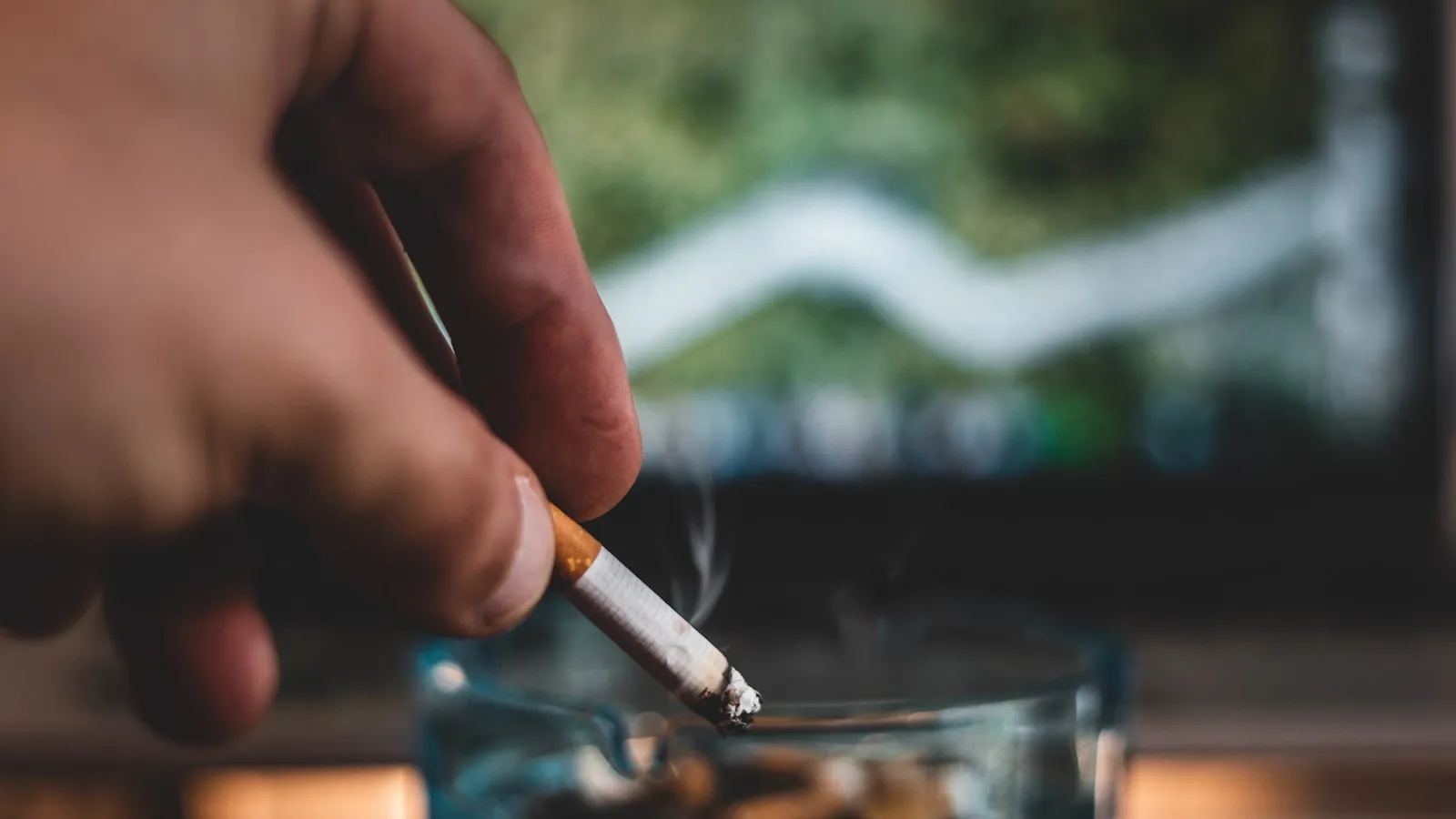
Nicotine doesn't only come from cigarettes. A vape, snus or a nicotine patch can also raise the cotinine value. That may also apply to some forms of second-hand smoke.
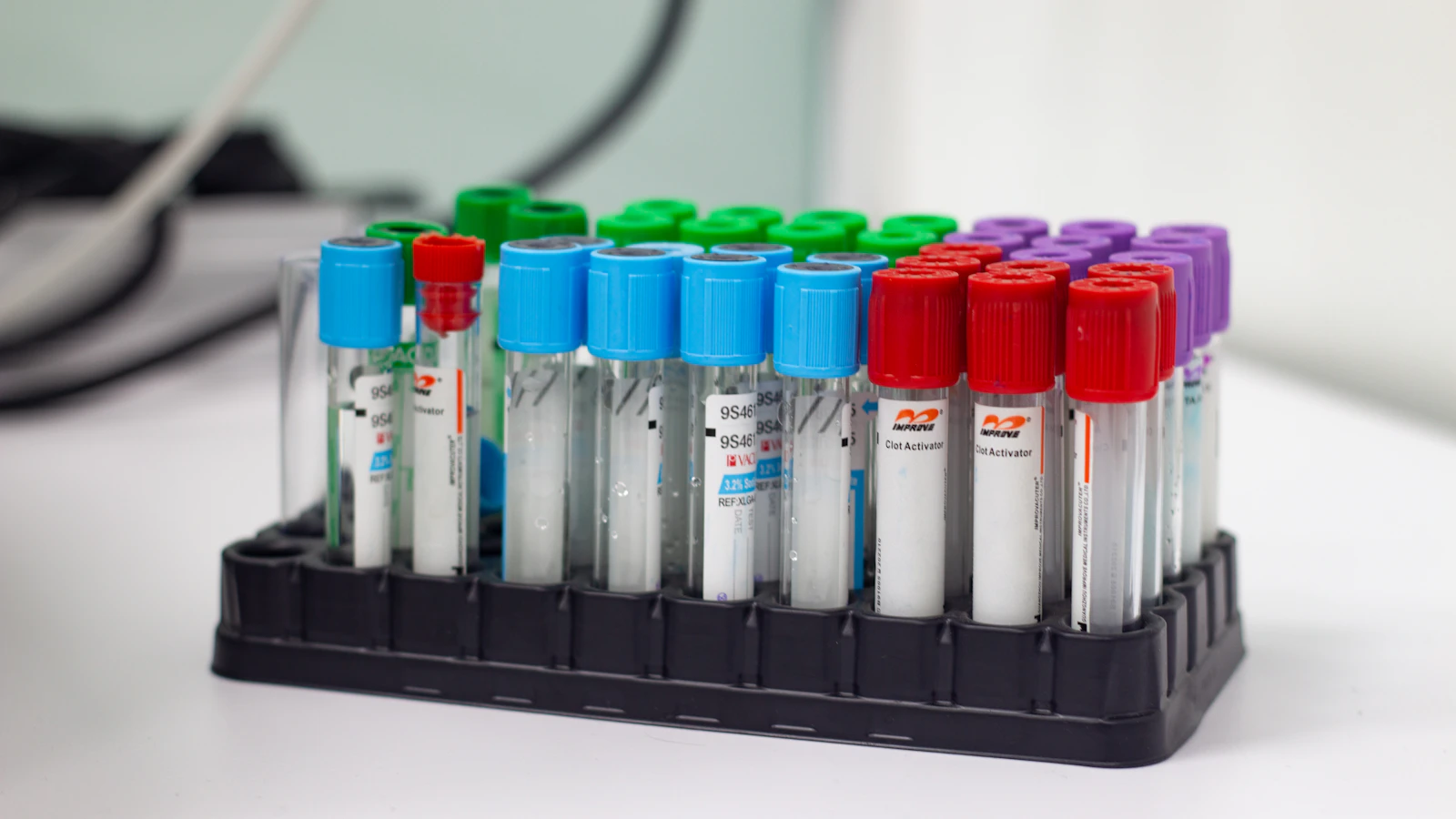
Cotinine is measured in urine, blood and saliva, among others. Which matrix fits best depends on your question and the window you want.
So cotinine reflects exposure to nicotine, whatever the source.
How long is nicotine (cotinine) detectable?
The detection window depends on the matrix used and on how often someone is exposed. In urine, cotinine is often detectable for roughly 3 to 4 days with occasional use. With regular use it can possibly be longer. In blood and saliva it's usually a few days, and in hair possibly months.
| Matrix | Occasional use | Regular use |
|---|---|---|
| Urine | Roughly 3 to 4 days | Possibly longer, sometimes about a week or more |
| Blood | Usually a few days | Possibly somewhat longer |
| Saliva | Usually a few days | Possibly somewhat longer |
| Hair | Sometimes hard to detect | Possibly up to several months |
These values are a rough guide, not a fixed outcome. If you want to know how long substances stay detectable in general, read how long do drugs stay detectable.
With very intensive and prolonged use, the window can run further. This varies a lot from person to person and isn't a fixed rule.
Keep in mind that different labs can use different threshold values. Because of that, the same exposure can read just positive on one test and just negative on another.
A test can be qualitative or quantitative. A qualitative test only shows positive or negative. A quantitative test gives a value, which may offer more context.
What affects the detection window?
Several factors shape how long cotinine stays visible. How often and how much someone is exposed plays a big role. Metabolism, age, kidney function and fluid intake can matter too. The chosen matrix and the test's cut-off value also decide whether a low trace is still picked up.
The type of nicotine product can have an effect too. A vape, chewing tobacco or a patch delivers nicotine in a different way. Total exposure helps determine how high the cotinine value turns out.
Second-hand smoke can sometimes give a low cotinine value, even without smoking yourself. This is usually a low trace and depends on the level of exposure. The threshold above which a test reads positive is called the cut-off value.
Drinking a lot temporarily changes the concentration in urine, but usually doesn't really shorten the actual window. A low trace can then sometimes fall just under the threshold.
Read more about how that threshold works in what a cut-off value is in a drug test. The difference between a test at home and in the lab matters too, see home drug test vs lab test.
How do you test for cotinine?
At Zuivertest you can have cotinine measured as part of a tailored panel. You decide which values you want to check, after which a certified lab runs the analysis. That way you calmly check your own status, at a moment that suits you. A lab test is generally more accurate than a test strip at home.
You choose which values to include in your panel. After the sample is taken, the lab analyses it using a set method. You then receive an overview of your results.
If you'd like to arrange such a test, you can simply explore our lab-certified panels. If you're considering quitting smoking, you'll find reliable information and help via Thuisarts.nl.
This way you stay in control of what you have tested.
You'll also find reliable background on nicotine and second-hand smoke at RIVM.
Sources
- RIVM, information on smoking, nicotine and second-hand smoke.
- Thuisarts.nl, information on quitting smoking.
- Trimbos institute, information on nicotine and tobacco.
Every test result at Zuivertest includes a professional assessment from a BIG-registered doctor. For treatment decisions, discuss your results with your GP.
Author
Zuivertest
Related Tests
Related Posts
7 misconceptions about drug tests (and what is actually true)
3-MMC: effects, duration and the comedown that follows